Planning to pursue higher education in the United States is a life-changing milestone for millions of international students globally. However, before packing your bags, understanding the exact financial commitment is essential for a smooth journey. The USA Study Visa Price in 2026 involves multiple components beyond just the standard government processing charges. Navigating these costs correctly helps you budget effectively and avoid any last-minute financial hurdles during your admissions process. From mandatory administrative fees to travel arrangements and mandatory insurance, every dollar counts when preparing your student budget.
Understanding the Core Components of USA Student Visa Fees
The SEVIS I-901 Fee Explained
The Student and Exchange Visitor Information System fee is mandatory for every F-1, M-1, or J-1 visa applicant. This database fee funds the maintenance of student records throughout your academic tenure. Paying this fee is required before scheduling your consular interview at the embassy. Keeping your receipt safe is vital because consular officers verify this document during your formal evaluation.
The DS-160 Online Application Fee
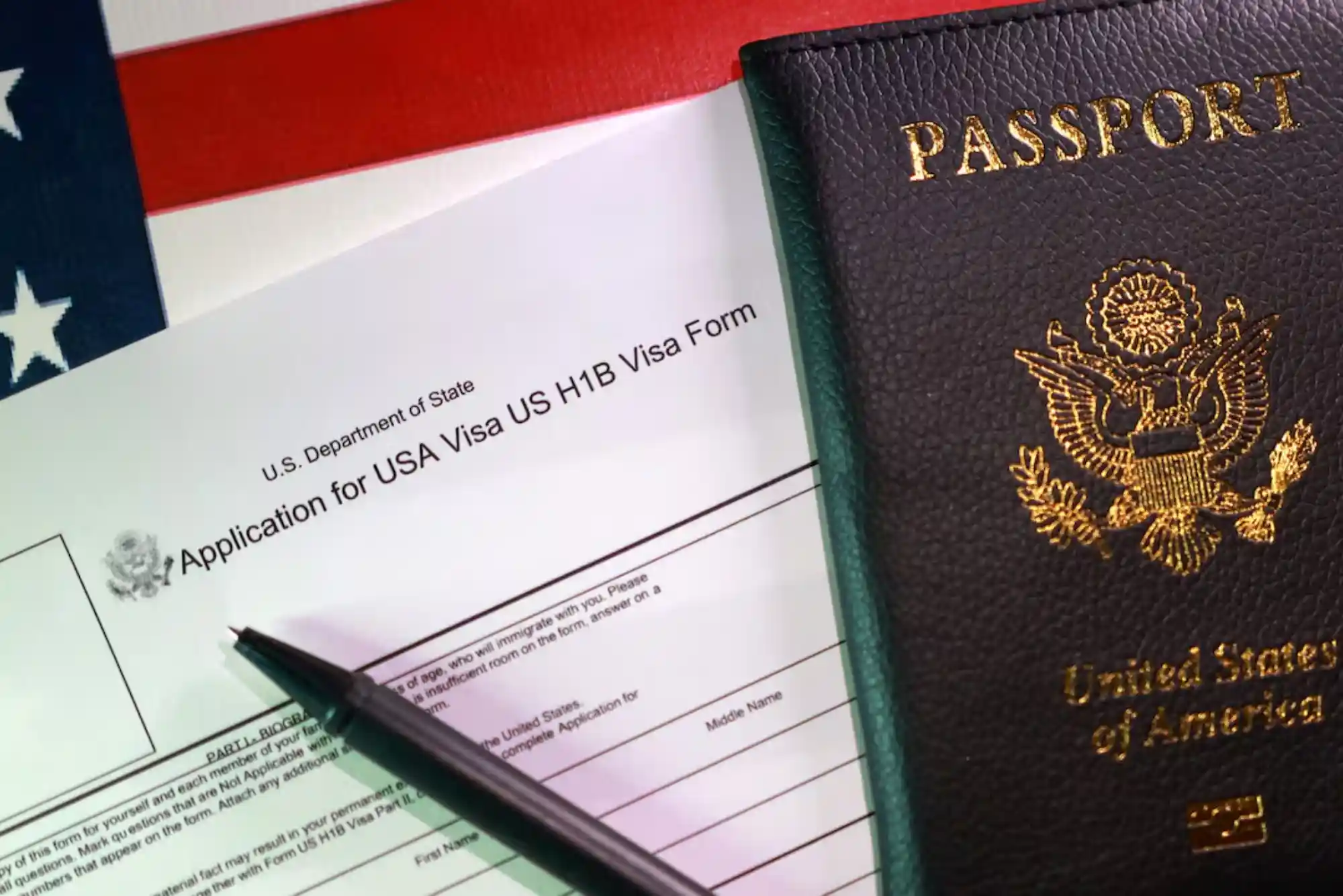
Submitting the Online Nonimmigrant Visa Application form initiates your formal request with the Department of State. The associated MRV fee covers the basic processing cost of reviewing your background and academic credentials. This non-refundable payment must be completed through designated local banking channels before you can secure an interview slot. Budgeting for this initial milestone requires careful timing aligned with your university acceptance letters.
Visa Issuance and Reciprocity Fees
Depending on your country of citizenship, you might need to pay an additional visa issuance reciprocity fee upon approval. This fee mirrors what the United States government charges citizens of your home country for equivalent travel documents. Not all nationalities incur this charge, so verifying your specific country schedule on the official consular website prevents unexpected expenses.
Many students also explore global mobility options while planning their international academic or professional paths. For instance, applicants interested in regional opportunities often check alternative international processing fees, such as checking the E Visa Price India in 2026 when planning multi-country travel connections or family visits. Similarly, individuals looking into European employment paths frequently compare overseas regulatory updates by reviewing the Latvia Work Visa Fees Price in 2026 to understand broader immigration expenses. Furthermore, international logistics sometimes require transit or regional approvals, making resources like the Saudi Arabia E Visa Price in 2026 useful for global itineraries connecting continents.
Detailed Breakdown of Total Application Expenses
Evaluating the comprehensive financial landscape requires looking at direct government charges alongside indirect preparation expenses. International students must demonstrate adequate financial capability to cover their first year of tuition and living expenses. Consular officers evaluate these monetary resources strictly during the visa interview to ensure applicants will not face financial distress abroad. Below is a structured financial overview capturing the primary anticipated costs for the academic year.
| Expense Category | Description | Estimated Cost (USD) |
| SEVIS I-901 Fee | Mandatory database tracking fee for F-1 students | $350 |
| DS-160 MRV Fee | Nonimmigrant visa application processing charge | $185 |
| University Application | Average processing fees across multiple US institutions | $200 – $600 |
| Standardized Tests | GRE, GMAT, TOEFL, or IELTS registration fees | $200 – $500 |
| Medical Examination | Mandatory health checkups and required vaccinations | $150 – $300 |
| Flight and Relocation | One-way international airfare and initial travel setup | $800 – $1,500 |
Managing Tuition and Proof of Financial Support
Demonstrating Sufficient Funds
US immigration regulations require students to prove they possess sufficient liquid funds to cover tuition and living costs. Universities issue the Form I-20 only after verifying bank statements, scholarship letters, or official loan sanctions. Preparing these financial documents accurately ensures your university can process your admission paperwork without unnecessary delays.
Budgeting for Living Expenses
Living expenses vary dramatically depending on whether you choose a bustling metropolitan area or a quiet college town. Rent, groceries, transportation, and health insurance form the bulk of your ongoing monthly expenditures. Planning a realistic monthly budget helps you maintain academic focus without stressing over financial shortfalls during your studies.
Frequently Asked Questions
What is the total minimum cost for a US student visa?
The direct government fees including SEVIS and MRV total approximately $535, excluding testing, travel, and university application costs.
Can I pay the SEVIS fee on the day of my interview?
No, the SEVIS fee must be paid well in advance, and you must bring the printed payment confirmation receipt to your consular interview.
Are visa application fees refundable if my visa is denied?
Government processing fees like the MRV and SEVIS fees are strictly non-refundable regardless of the final consular interview outcome.
How much bank balance is required for an F-1 visa interview?
You must show funds equal to at least one full year of tuition and living expenses as listed on your official Form I-20 document.