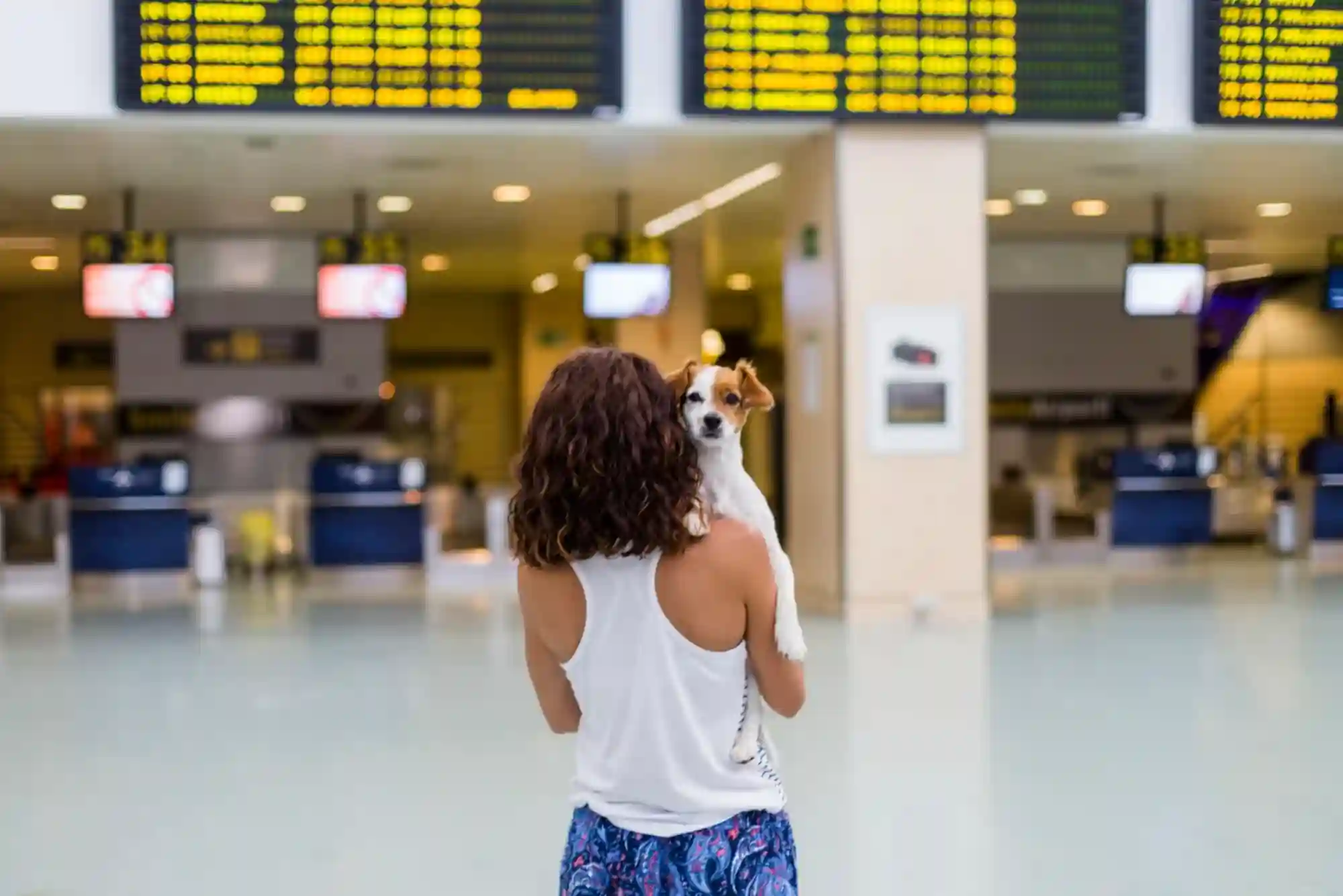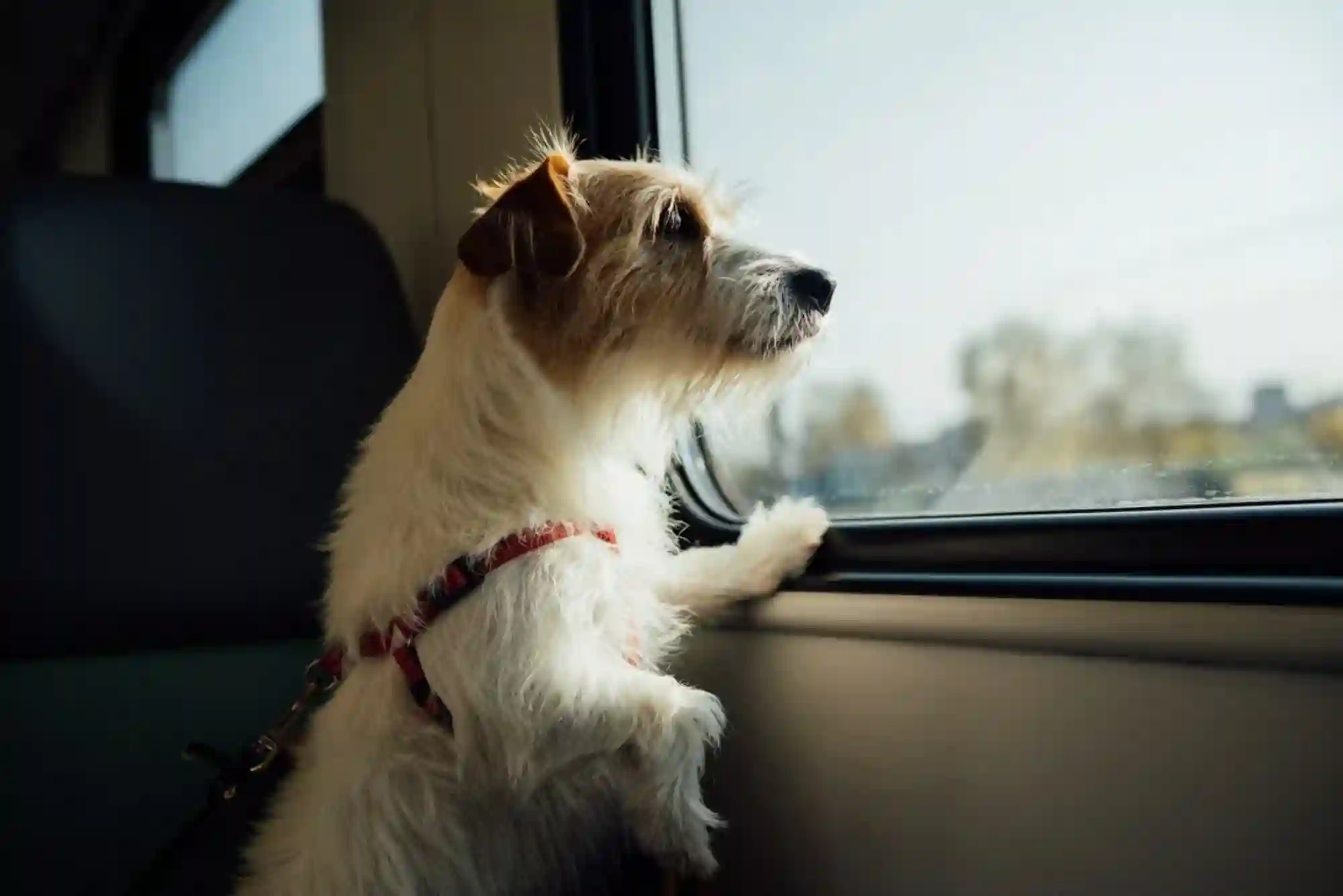
Traveling by train with a pet can be easier than flying, but the rules vary between operators and countries. Understanding those rules before departure can prevent delays, denied boarding, or stressful surprises. This guide to Pet-Friendly Train Travel: Amtrak, Eurostar, and UK Rail Policies Explained covers the main requirements for dogs, cats, assistance animals, carriers, tickets, and route restrictions.
For many travelers, trains offer a comfortable way to keep a pet close throughout the journey. However, not every train accepts pets in the same way. Amtrak has specific limits for pet size, carrier dimensions, journey length, and seating areas. Eurostar has different rules depending on the route. UK rail services are generally more flexible with ordinary pets, although individual train companies can apply additional conditions.
Therefore, checking the exact operator and route remains essential. A pet-friendly policy does not necessarily mean every service is suitable for every animal.
Understanding Pet-Friendly Train Travel Rules
Pet-Friendly Train Travel: Amtrak, Eurostar, and UK Rail Policies Explained starts with one important principle: always distinguish between ordinary pets and trained assistance animals.
A dog or cat traveling as a household pet normally follows the operator’s pet policy. Assistance animals have separate provisions because they accompany passengers with disabilities.
The distinction can affect where the animal can travel, whether a fee applies, and what documentation is required. For example, Amtrak treats emotional support animals that are not trained to perform disability-related tasks as pets. They must therefore follow the normal carry-on pet rules.


Likewise, international rail travel can involve border requirements. This is particularly important when traveling between continental Europe and the United Kingdom.
Before purchasing a ticket, check the operator’s current requirements. Policies can also differ between routes operated by the same company.
Amtrak Pet Travel Policy
Amtrak allows small dogs and cats to travel as pets on most eligible trains. However, passengers must make a pet reservation and pay the applicable pet fee. Reservations are limited, so arranging the pet booking early is sensible.
The combined weight of the pet and carrier cannot exceed 20 pounds. The animal must remain inside an approved carrier during the journey. The carrier can be hard or soft sided, but it must be leak-proof and properly ventilated.
Amtrak specifies a maximum carrier size of 19 by 14 by 10.5 inches. The carrier must fit under the passenger’s seat, and the pet cannot be placed on a passenger seat.
Amtrak Journey Restrictions
Amtrak pet travel is designed mainly for shorter journeys. Its current pet information states that pets are permitted on trips of up to seven hours on most routes, although some route restrictions apply.
Pets are generally limited to designated passenger accommodations. They cannot travel in food service cars or sleeping accommodations. Certain classes also have restrictions.
There are additional route exclusions. For example, Amtrak states that pet travel is unavailable on its Auto Train and certain connecting services. Some Canadian portions of routes also have restrictions.
This makes route verification especially important for travelers planning a long-distance itinerary.
Amtrak Pets and Service Animals
Amtrak makes an important distinction between pets and trained service animals. A trained service animal can accompany a passenger in areas where passengers are permitted. It must remain under the handler’s control.
An emotional support animal without disability-related task training does not receive the same treatment as a trained service animal. It follows the applicable pet requirements instead.
For travelers with assistance animals, checking the current service-animal requirements before departure is essential.
Eurostar Pet Travel Policy
Eurostar has more route-specific pet rules than many travelers expect. Ordinary pets are not permitted on Eurostar services to and from London. However, guide and assistance dogs and cats can travel under specific requirements.
On eligible Eurostar routes between Belgium, France, Germany, and the Netherlands, small domestic animals weighing under 6 kg can travel free. They must remain inside a carrier measuring no more than 45 by 30 by 25 cm.
Larger dogs can also travel on these eligible routes. A specific dog fare applies, currently listed by Eurostar as €30. The dog must be leashed and muzzled and may sit on the owner’s lap or on the floor.
Eurostar Routes Matter
The biggest consideration for Eurostar travelers is the route itself. A pet policy that applies between Paris and Brussels does not automatically apply to a journey involving London.
Eurostar states that ordinary pets cannot travel on trains to or from London. Pets are also restricted on certain other routes and seasonal services.
Therefore, passengers should confirm the route before booking accommodation, transfers, or connecting trains.
If your journey involves London, alternative arrangements may be necessary for an ordinary pet. Assistance animals are handled separately and require additional preparation.
Eurostar Assistance Animals
Guide and assistance dogs and cats can travel on Eurostar under dedicated rules. When traveling to or from London, passengers must contact Eurostar at least 24 hours before departure. Documentation, vaccination requirements, and pre-approval procedures can apply.
Eurostar advises passengers traveling to the UK with assistance animals to arrive at the station at least 60 minutes before departure. Staff need to check the relevant documents before the animal is approved for travel.
This is particularly important because UK entry requirements can affect whether an animal is allowed to enter the country.
UK Rail Pet Travel Policy
UK rail travel is generally more accommodating for ordinary pets. Under current National Rail guidance, passengers can bring up to two pets free of charge. However, individual train companies may establish additional conditions.
Dogs must remain on a lead throughout the journey, including relevant station areas. Other animals should remain inside a suitable carrier. Animals cannot occupy passenger seats.
For animals other than dogs, the current National Rail conditions specify a fully enclosed basket or carrier. The maximum stated dimensions are 85 by 60 by 60 cm. The carrier must be large enough for the animal to stand and lie down comfortably.
UK Rail Sleeper Services
Sleeper journeys require extra planning. National Rail permits pets on sleeper services, but special conditions can apply. Dogs may also attract an additional cleaning charge depending on the train company. Assistance animals are treated differently.
Because sleeper arrangements vary, contact the relevant train company before booking. This avoids discovering restrictions after purchasing your ticket.
Where Pets Cannot Go
UK rail passengers should not assume that a pet can enter every part of the train. Animals are generally not permitted in buffet or restaurant cars unless the train company specifically allows it.
Assistance dogs have broader access under the applicable arrangements. Ordinary animals, however, must follow the operator’s restrictions.
Staff can also require an animal to leave the train if it causes a nuisance or inconvenience to other passengers.
Preparing Your Pet for Train Travel
Good preparation can make Pet-Friendly Train Travel: Amtrak, Eurostar, and UK Rail Policies Explained much easier to put into practice.
Start by choosing a suitable carrier. Your pet should have enough room to stand, turn around, and lie down comfortably. For Amtrak and Eurostar, however, the carrier must also meet the operator’s specific size limits.
Introduce the carrier before your journey. Allow your pet to spend short periods inside it at home. Gradually increase the duration so the carrier becomes familiar.
A small amount of familiar bedding can also help. Avoid filling the carrier with bulky items that reduce usable space.
Before departure, give your pet an opportunity to relieve itself. A light meal may also be preferable to a large meal immediately before travel. However, feeding decisions should reflect your animal’s normal routine and veterinary needs.
Water remains important, particularly during longer journeys. A collapsible bowl can make hydration easier without taking much luggage space.
Making the Journey Comfortable
Train stations can be noisy and crowded. Therefore, arrive with enough time to navigate platforms without rushing.
Keep your pet secure around platforms and station entrances. Dogs should remain leashed where required. Cats and other small animals should stay inside their carriers.
Avoid unnecessary interaction with other passengers. Some travelers may be nervous around animals, even when the pet is friendly.
On longer journeys, monitor your pet for signs of stress. Excessive panting, repeated vocalization, shaking, or unusual behavior can indicate discomfort.
Do not sedate your pet simply to make travel easier unless your veterinarian specifically advises it. Sedation can affect animals differently, particularly during stressful transportation.
Comparing Amtrak, Eurostar, and UK Rail
The three systems have noticeably different approaches to ordinary pets.
Amtrak focuses heavily on small dogs and cats traveling inside carriers. A 20-pound combined pet-and-carrier limit applies, along with a seven-hour journey limit on most eligible trips. Pet reservations and fees are also required.
Eurostar is highly dependent on the route. Small pets can travel on certain continental European routes, while ordinary pets cannot travel to or from London. Assistance animals have separate provisions.
UK National Rail is generally more flexible. Up to two pets can normally travel free, although train companies can impose additional conditions. Dogs must remain on leads, while other animals normally require enclosed carriers.
The key difference is therefore not simply whether pets are allowed. Travelers must consider the animal’s size, route, carrier, accommodation, journey duration, and whether the animal is an ordinary pet or an assistance animal.
Common Mistakes to Avoid
One common mistake is assuming that a pet-friendly train accepts every animal. Amtrak’s standard pet program is limited to dogs and cats, while Eurostar excludes several types of animals.
Another mistake is arriving without a required pet reservation. Amtrak requires reservations for pets, and availability can be limited.
Travelers can also overlook carrier dimensions. A carrier that works for one operator may not meet another operator’s requirements.
Finally, never assume that emotional support status automatically creates service-animal access. Amtrak explicitly treats emotional support animals that lack qualifying task training as pets.
Frequently Asked Questions
Can I take my dog on a train in the UK?
Yes. UK National Rail generally allows dogs, with up to two pets permitted free of charge. Dogs must remain on a lead, and individual train companies can impose additional conditions.
Can I take my cat on Amtrak?
Yes. Small cats can travel on eligible Amtrak services when they meet the pet requirements. The cat must remain inside an approved carrier, and the combined weight of the cat and carrier cannot exceed 20 pounds.
Can I take my dog on Eurostar?
It depends on the route. Ordinary pets are not permitted on Eurostar trains to or from London. Larger dogs can travel on eligible continental routes under Eurostar’s pet rules.
Are pets free on UK trains?
Up to two pets can normally travel free on National Rail services. However, some train companies may apply additional charges or special conditions, particularly for specific services.
Can pets sit on train seats?
No. National Rail states that animals are not allowed on passenger seats. Amtrak also requires pet carriers to remain under the passenger’s seat.
Can emotional support animals travel on Amtrak?
They may travel under Amtrak’s pet rules if they meet the applicable requirements. Amtrak does not classify an animal as a service animal simply because it provides emotional support.
Do I need a pet carrier for train travel?
The answer depends on the animal and operator. Amtrak requires pets to remain inside an approved carrier. UK rules generally require cats and other non-dog animals to remain in suitable enclosed carriers.
Conclusion
Pet-Friendly Train Travel: Amtrak, Eurostar, and UK Rail Policies Explained shows why preparation matters more than simply choosing a pet-friendly train. Amtrak offers pet travel for eligible small dogs and cats under strict carrier, weight, reservation, and journey requirements. Eurostar’s rules depend heavily on the route, especially when London is involved. UK rail services are generally more accommodating, although individual operators can introduce additional conditions.