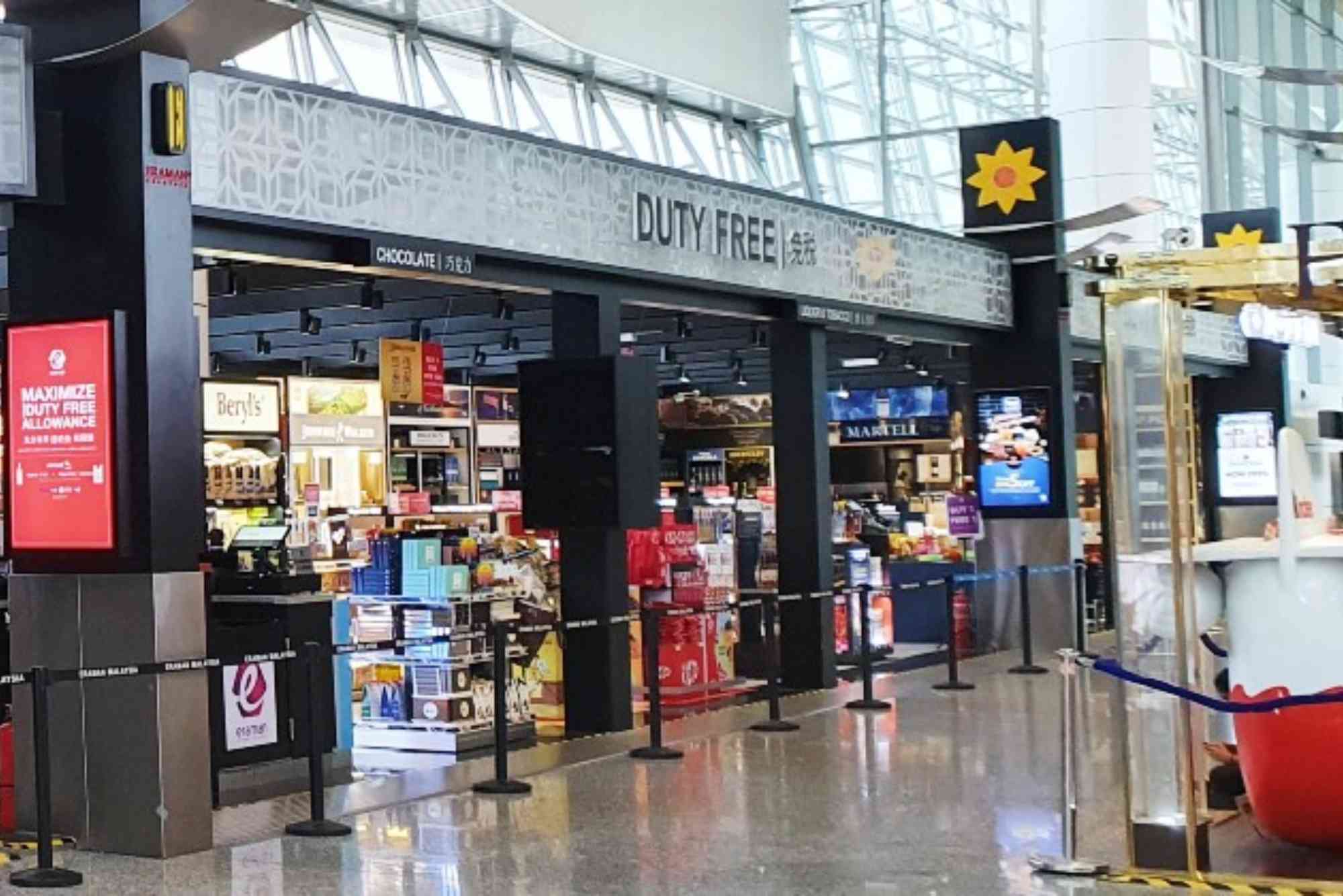
Duty free islands and zones to know have become essential knowledge for modern travelers, global shoppers, and international businesses. These locations offer tax-free or reduced-tax goods, creating savings and unique shopping opportunities. Understanding how they work can help you plan smarter trips and make better purchasing decisions.
In this in-depth guide, you will learn what duty free islands and zones are, why they exist, and which destinations matter most today. You will also discover how travelers can benefit legally while avoiding common mistakes. Whether you travel often or are simply curious, this guide is designed to inform and empower you.
Understanding Duty Free Islands and Zones
Duty free islands and zones are special areas where governments reduce or remove certain taxes and customs duties. These incentives aim to boost tourism, trade, and foreign investment. As a result, goods sold in these areas often cost less than in mainland markets.
Most duty free zones operate under strict regulations. Products must be sold to travelers leaving the area or exported elsewhere. This structure ensures tax advantages do not disrupt domestic markets while still encouraging global commerce and tourism.
Why Duty Free Zones Exist Worldwide
Governments create duty free islands and zones to stimulate economic growth. By attracting travelers and businesses, these areas generate employment and infrastructure development. Tourism revenue often offsets the tax reductions offered on goods.
Additionally, duty free zones strengthen international trade relationships. They act as gateways for imports and exports, reducing friction in global supply chains. Over time, many zones have evolved into major logistics and retail hubs.
How Duty Free Shopping Actually Works
Duty free shopping applies when goods are purchased for export or personal use outside the taxing country. Travelers usually need to show boarding passes or passports to qualify. Limits often apply to alcohol, tobacco, and luxury goods.
Understanding allowances is crucial. Each country sets its own import limits, and exceeding them may result in taxes or fines. Smart travelers always check destination rules before making high-value purchases.
Caribbean Duty Free Islands to Know
The Caribbean is famous for its duty free islands and zones to know, especially among cruise and leisure travelers. Many islands operate under tax-free regimes to attract visitors seeking luxury goods at lower prices.
These destinations often combine shopping with beaches and resorts, creating a seamless tourism experience. Jewelry, watches, and spirits remain top sellers due to favorable pricing and wide selection.
European Duty Free Zones and Special Regions
Europe offers a different approach to duty free shopping. While most EU countries follow unified tax rules, certain regions maintain special status. These zones reflect historical, geographic, or economic considerations.
Travelers often find savings on perfumes, cosmetics, and alcohol when traveling between qualifying regions. However, rules can be complex, making prior research essential for avoiding misunderstandings.
Middle Eastern Duty Free Powerhouses
Some of the world’s most profitable duty free islands and zones to know are located in the Middle East. These hubs benefit from strategic geography connecting Europe, Asia, and Africa. Airports in this region have transformed duty free into a luxury retail experience.
Beyond airports, free zones attract international companies with tax incentives and simplified regulations. This dual approach supports both tourism and long-term economic diversification.
Asian Duty Free Islands and Free Trade Zones
Asia hosts a growing number of duty free islands and zones to know, reflecting the region’s expanding travel market. Governments use these zones to attract foreign spending and encourage domestic tourism.
Many Asian duty free zones focus on luxury brands, electronics, and cosmetics. Digital integration and pre-order systems have further enhanced convenience for international travelers.
Airport Duty Free Zones vs Island Duty Free Areas
Airport duty free zones differ from island-based systems. Airports typically restrict sales to departing passengers only. Island zones may allow broader access, depending on local laws and residency rules.
Understanding this distinction helps travelers plan purchases effectively. In some cases, island duty free shopping offers better value due to reduced overhead and local incentives.
Benefits for Travelers and Shoppers
The primary benefit of duty free islands and zones to know is cost savings. Reduced taxes can significantly lower prices on premium goods. This advantage appeals to frequent travelers and gift buyers alike.
Beyond pricing, duty free zones often provide exclusive products and early releases. These offerings enhance the shopping experience while adding perceived value.
Benefits for Businesses and Local Economies
Businesses benefit from simplified customs processes and tax incentives. These advantages reduce operational costs and encourage international expansion. Many global brands establish regional hubs within duty free zones.
Local economies gain from job creation and increased tourism spending. Over time, successful duty free zones often evolve into economic engines supporting broader development.
Common Misconceptions About Duty Free Shopping
Many travelers assume duty free always means cheaper. In reality, prices vary based on brand, currency, and market demand. Comparing prices remains important for maximizing savings.
Another misconception involves unlimited purchases. Allowances exist, and exceeding them can negate savings. Awareness and moderation are key to responsible duty free shopping.
Legal and Ethical Considerations
Duty free islands and zones operate under international trade laws. Compliance ensures fairness and transparency in global commerce. Travelers must respect import regulations to avoid penalties.
Ethically, supporting legitimate duty free operations helps sustain local economies. Avoiding counterfeit goods protects both consumers and brands.
Planning a Trip Around Duty Free Zones
Some travelers plan itineraries around duty free islands and zones to know. This strategy can enhance overall trip value when combined with leisure activities. However, shopping should complement, not dominate, travel experiences.
Balancing exploration and retail ensures meaningful travel while still enjoying financial benefits. Research and planning make this balance achievable.
Digital Trends Shaping Duty Free Shopping
Technology has transformed duty free shopping worldwide. Pre-order platforms allow travelers to reserve items before departure. This convenience reduces stress and ensures availability.
Data-driven personalization also enhances customer experiences. Tailored offers and loyalty programs encourage repeat purchases and brand engagement.
The Future of Duty Free Islands and Zones
The future of duty free islands and zones to know lies in sustainability and innovation. Governments increasingly integrate environmental policies into zone management. Eco-friendly packaging and responsible sourcing are becoming standard.
As global travel evolves, duty free zones will adapt. Hybrid retail models combining physical and digital experiences are expected to dominate the next decade.
Frequently Asked Questions About Duty Free Islands and Zones
What does duty free mean for travelers?
Duty free means certain taxes are removed when goods are purchased for export or international travel use.
Are duty free prices always cheaper?
Not always. Savings depend on local taxes, exchange rates, and brand pricing strategies.
How much duty free can I bring home?
Allowances vary by country. Check your destination’s customs rules before purchasing.
Can anyone shop at duty free zones?
Most zones restrict purchases to departing travelers or non-residents, depending on regulations.
Is duty free shopping legal everywhere?
Yes, when conducted within established laws and import limits set by governments.
Make the Most of Duty Free Islands and Zones
Understanding duty free islands and zones to know empowers travelers to shop smarter and travel better. These zones reflect a balance between economic growth and consumer benefit. With proper knowledge, you can enjoy real savings without complications.
If you want to travel strategically and make informed purchasing decisions, continue learning about global trade zones and travel planning. Start exploring destinations that combine culture, comfort, and smart shopping today.