Finding the right shoes is harder than it sounds, especially if you train at high-intensity studios like Orange Theory Mountain View. The wrong pair can ruin a great workout day, and the pain doesn’t always show up right away. Many people walk out of a store confident in their purchase, only to feel soreness, blisters, or arch pain hours later. This guide explains how to master shoe shopping that won’t hurt later, even if your workouts involve sprints, rowing, strength blocks, and daily movement.
In this article, you’ll learn how to choose shoes that protect your joints, help your form, and keep you comfortable from warm-up to cooldown. Whether you’re new to fitness or improving your performance, the steps below will help you make better shoe decisions that actually make sense for your feet.
Why Shoe Shopping That Won’t Hurt Later Matters More Than Ever
Training at studios like Orange Theory Mountain View challenges your body in every direction. You run, row, lift, jump, and pivot. That variety demands shoes that support multiple movement patterns without sacrificing comfort. Choosing the wrong shoe leads to more than minor discomfort. It affects your knees, hips, and spinal alignment over time.
Because modern workouts are faster and more intense, the pressure on your feet is greater too. That’s why shoe shopping that won’t hurt later has become a skill worth learning. Once you know what your feet need, every workout becomes easier and safer.
Understanding Your Foot Type Before Buying Anything
Before you choose a shoe, you need to understand what’s happening under your arches. People often skip this step and end up in shoes that work against their natural movement. When you understand your foot type, you can predict how a shoe will feel before you even try it.
Neutral feet and balanced pressure
If your arches are moderate and your footprint shows a gentle curve, your feet are considered neutral. This type works well with shoes that have moderate cushioning and stability. You don’t need aggressive correction, but you still need support that absorbs impact during sprints or treadmill intervals.
Flat feet and overpronation
Flat feet collapse inward when walking or running. This inward roll puts stress on your knees and hips. If this sounds like you, choose shoes with strong stability features. They guide your foot forward instead of letting it collapse. This is essential for Orange Theory Mountain View because high-intensity treadmill blocks magnify the effects of pronation.
High arches and reduced shock absorption
High arches look elegant but they do little to absorb shock. If your arches barely touch the ground, you will feel more impact with each stride. Cushioned shoes help soften the shock and protect your ankles and knees.
Understanding this simple structure improves your chances of shoe shopping that won’t hurt later, because you choose based on physiology rather than aesthetics.
How Orange Theory Mountain View Affects Your Shoe Choice
Training at Orange Theory Mountain View means you rotate between rowing, treadmill running, and strength training. That mixture requires a shoe that blends cushioning, stability, and flexibility.
Shoes for treadmill running during workout blocks
The treadmill segments are short but intense. You switch between base, push, and all-out paces. A shoe with strong heel cushioning and responsive forefoot foam helps you transition smoothly. This reduces stress on the Achilles tendon and plantar fascia.
Shoes for rowing efficiency
Rowing compresses your foot against the pad with each stroke. A stable heel counter prevents wobbling during the drive phase. If a shoe feels loose in the heel, it forces your foot to overwork to stay in position.
Shoes for strength floor exercises
When lifting weights or performing plyometric moves, you need shoes with lateral stability. Soft or overly thick midsoles make you unstable and slow your reaction time. A flatter platform helps you engage muscles correctly without wobbling.
Choosing a shoe that balances these three performance demands is one of the best ways to ensure shoe shopping that won’t hurt later.
How to Test Shoes in the Store So They Don’t Hurt Later
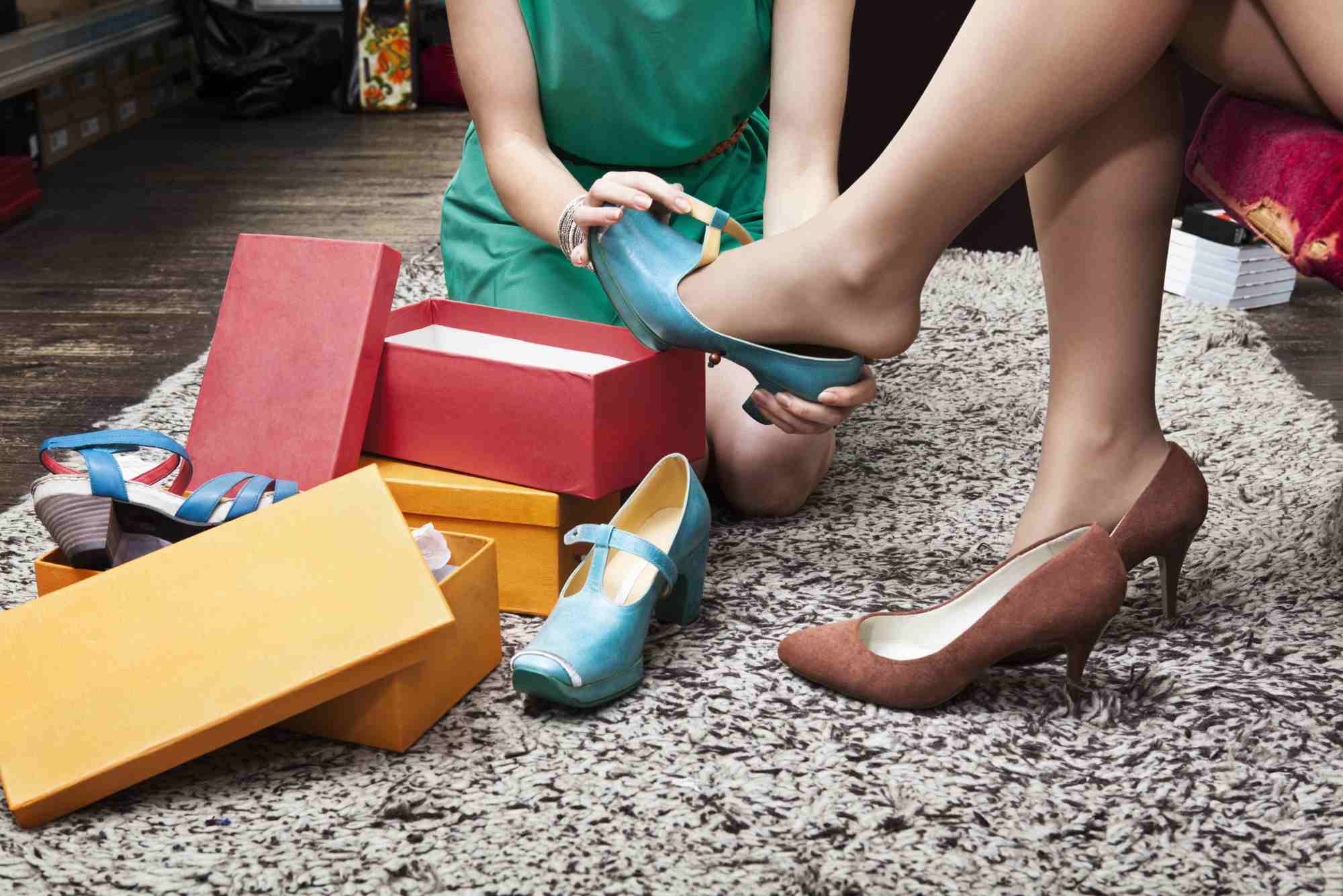
Trying shoes in a store is more than walking in a straight line. Your body behaves differently during workouts, so your test should mimic real life as closely as possible.
Check toe box space
Your toes should spread naturally. If the shoe feels tight during the first try, it will feel worse after 30 minutes of training.
Simulate treadmill movement
Jog softly in place or on a test treadmill if available. You should feel cushioning that responds quickly instead of collapsing.
Test rowing posture
Bend your knees and push your feet against the ground as if rowing. The heel should not slip upward.
Do lateral movements
Shift side to side. If your ankle feels like it’s rolling outward, the shoe lacks stability.
This mini-test prevents surprises and ensures your shoe shopping won’t hurt later, even during intense Orange Theory Mountain View classes.
Why Fit Matters More Than Brand or Trend
Many people choose shoes based on brand loyalty or what influencers wear. But two shoes with the same size tag can feel completely different. Your workout success depends on fit, not hype.
Length fit
Your longest toe needs about a thumb’s width of space from the front. Too little room causes toenail bruising during sprints; too much room causes slipping.
Width fit
If your foot spills over the edges of the midsole, the shoe is too narrow. Wide sizes exist for a reason. Using them protects your arches and metatarsal bones.
Heel fit
A snug heel prevents blisters. If your heel shifts even slightly, friction will build during treadmill work.
Fit should be your number one priority—because good fit is the foundation of shoe shopping that won’t hurt later.
The Importance of Shoe Weight and Material for Pain Prevention
Most people overlook the weight of a shoe. But weight matters because it affects speed, fatigue, and joint stress.
Light shoes for speed and agility
During push paces and all-outs, lighter shoes reduce strain on the legs. They help you maintain form while increasing pace.
Breathable materials to reduce swelling
Feet swell as you train. A breathable upper accommodates this expansion without creating pressure points.
Foam quality and energy return
Modern shoes use foams that bounce back after impact. This protects your knees and improves your efficiency during intervals.
When shoes have the right balance of weight and materials, your body moves naturally and comfortably.
Replacing Shoes Before They Become a Problem
Even the best shoes break down over time. Most people keep their shoes far too long. When cushioning breaks down, pain appears—sometimes suddenly.
Signs your shoes need replacement
If you feel new aches after workouts, notice uneven wear, or feel increased impact, it’s time for a new pair. For Orange Theory athletes, this often happens sooner due to higher intensity.
Replace your shoes every 250–400 miles or every 4–6 months depending on frequency. Doing so ensures your Shoe Shopping That Won’t hurt Later because your feet stay supported year-round.
Common Mistakes That Lead to Shoe Discomfort Later
People often unknowingly choose shoes that seem fine at first but cause problems later. Avoiding these mistakes changes everything.
Choosing the wrong size “because it usually fits” is one common issue. Shoe sizes vary by brand. Always try them on instead of assuming your usual size will work. Another mistake is choosing fashion over function. Stylish shoes rarely offer the right support for high-intensity workouts.
A final mistake is ignoring your body’s warning signs. If a shoe hurts during the first ten minutes of testing, it will hurt more after an hour of training. Your body knows what it needs. Listening to it ensures a better long-term experience.
FAQ — Real “People Also Ask” Questions
What type of shoes are best for Orange Theory workouts?
Shoes that balance cushioning, stability, and breathability work best. Look for pairs designed for cross-training. They support both treadmill intervals and floor strength work without causing stress to your joints.
Should I use running shoes or cross-training shoes at Orange Theory?
Running shoes help during treadmill blocks, but cross-training shoes offer better support for strength and lateral movements. Many athletes choose hybrid styles that balance both needs.
How do I know if my workout shoes are hurting my feet?
If you feel arch pain, shin discomfort, heel soreness, or ankle instability after sessions, your shoes may be the cause. Pay attention to new aches because they often appear before full injuries develop.
How often should I replace my Orange Theory shoes?
Replace them every 4–6 months or sooner if you train frequently. Cushion breakdown happens faster with high-intensity workouts.
Make Shoe Shopping That Won’t Hurt Later Your New Normal
Finding a shoe that feels great today and still feels great weeks later isn’t luck. It’s the result of understanding your feet, knowing what Orange Theory Mountain View demands, and choosing footwear that supports your goals. When you shop with purpose, you protect your joints, improve your performance, and enjoy every workout without worrying about pain.