Introduction
Taking your dog along for a drive is convenient, but safety should come before comfort or convenience. A loose dog can move around the cabin, distract the driver, or be thrown forward during sudden braking. The right restraint can reduce unnecessary movement and help create a safer travel environment.
When comparing the best dog seat belts and crash-tested car hammocks for backseat safety, it is important to understand that a seat-belt tether and a crash-tested harness are not necessarily the same thing. Likewise, a car hammock can protect your seats and stop your dog from falling into the footwell, but that does not automatically make it a crash restraint.
Veterinary guidance from Cornell recommends using a crash-tested harness, seat belt, or travel crate when transporting dogs. It also advises keeping dogs away from the front passenger seat because of airbag risks.
The safest setup therefore depends on the complete system: the harness, tether, attachment point, hammock, vehicle seat, and correct installation.
Why Backseat Dog Safety Matters
Dogs do not have a vehicle restraint system equivalent to a human three-point seat belt. If your dog is allowed to roam freely, even an ordinary emergency stop can send them sliding across the cabin.
A collision creates a much more serious problem. An unrestrained dog can be thrown forward, potentially injuring the dog or passengers. A frightened dog may also escape through an opened door after an accident.


There is another issue that is easy to overlook: driver distraction. A dog climbing between the front and back seats can interfere with steering, pedals, visibility, and concentration.
Keeping your dog in the back seat with an appropriate restraint creates a defined travel area. It also keeps your dog away from front airbags, which can cause serious injury to pets during deployment. Cornell specifically recommends securing dogs in the back of the vehicle rather than allowing them to travel loose.
What Makes the Best Dog Seat Belts Safer?
The phrase “dog seat belt” covers a wide range of products. Some are simple tethers designed to clip between a vehicle seat belt and a dog’s harness. Others are part of a complete crash-tested restraint system.
That distinction matters.
Look for Independent Safety Testing
One of the strongest signals when evaluating pet travel equipment is independent testing. The Center for Pet Safety operates an independent certification program and publishes certified products and research results. Its certification program evaluates products against independently developed safety standards.
This is more meaningful than a package simply saying “safety tested.”
When researching the best dog seat belts and crash-tested car hammocks for backseat safety, check whether the manufacturer identifies:
The exact product tested.
The type of test performed.
The testing organization.
The vehicle position used during testing.
The weight range covered.
The restraint components included in the test.
A product can be tested in one configuration but used differently by consumers. That difference can matter considerably in a real crash.
Choose a Properly Designed Harness
A seat-belt tether should generally connect to a harness designed for vehicle travel rather than simply attaching to a collar.
A collar concentrates force around the neck. A properly designed harness distributes restraint forces across a larger portion of the dog’s body.
Fit also matters. A harness that is too loose may allow excessive movement. One that is incorrectly positioned may create pressure in areas that were not intended to carry crash forces.
Always follow the manufacturer’s sizing and installation instructions. Check the harness regularly because dogs can gain or lose weight, and straps can shift with repeated use.
Avoid Assuming a Strong Tether Is Enough
A heavy-looking tether can appear reassuring, but strength alone does not prove that the entire restraint system is safe.
During a collision, the harness, connection points, tether, vehicle attachment, and dog’s body all interact. A failure in any part can compromise the system.
That is why a complete crash-tested system is more meaningful than simply buying the thickest tether available.
Dog Seat Belts vs. Crash-Tested Harnesses
These terms are often used interchangeably, but they describe different components.
A dog seat belt is commonly the connection between the dog and the vehicle. A crash-tested harness is the body-worn component designed and tested to restrain the dog during a crash.
Think of the setup as a system rather than one product.
The harness needs to fit correctly. The tether needs to be compatible. The vehicle attachment needs to be appropriate. The dog should remain in the recommended seating position.
Recent testing information published by Car and Driver, based on guidance from the Center for Pet Safety, notes that certified harness testing evaluates factors such as forward excursion and strap movement. The testing described in its 2026 update uses second-row seating and 30-mph testing conditions.
That illustrates why “crash-tested” should not be treated as a vague marketing phrase. Testing conditions and product configuration matter.
Are Crash-Tested Car Hammocks Actually Safe?
This is one of the most confusing areas of dog car safety.
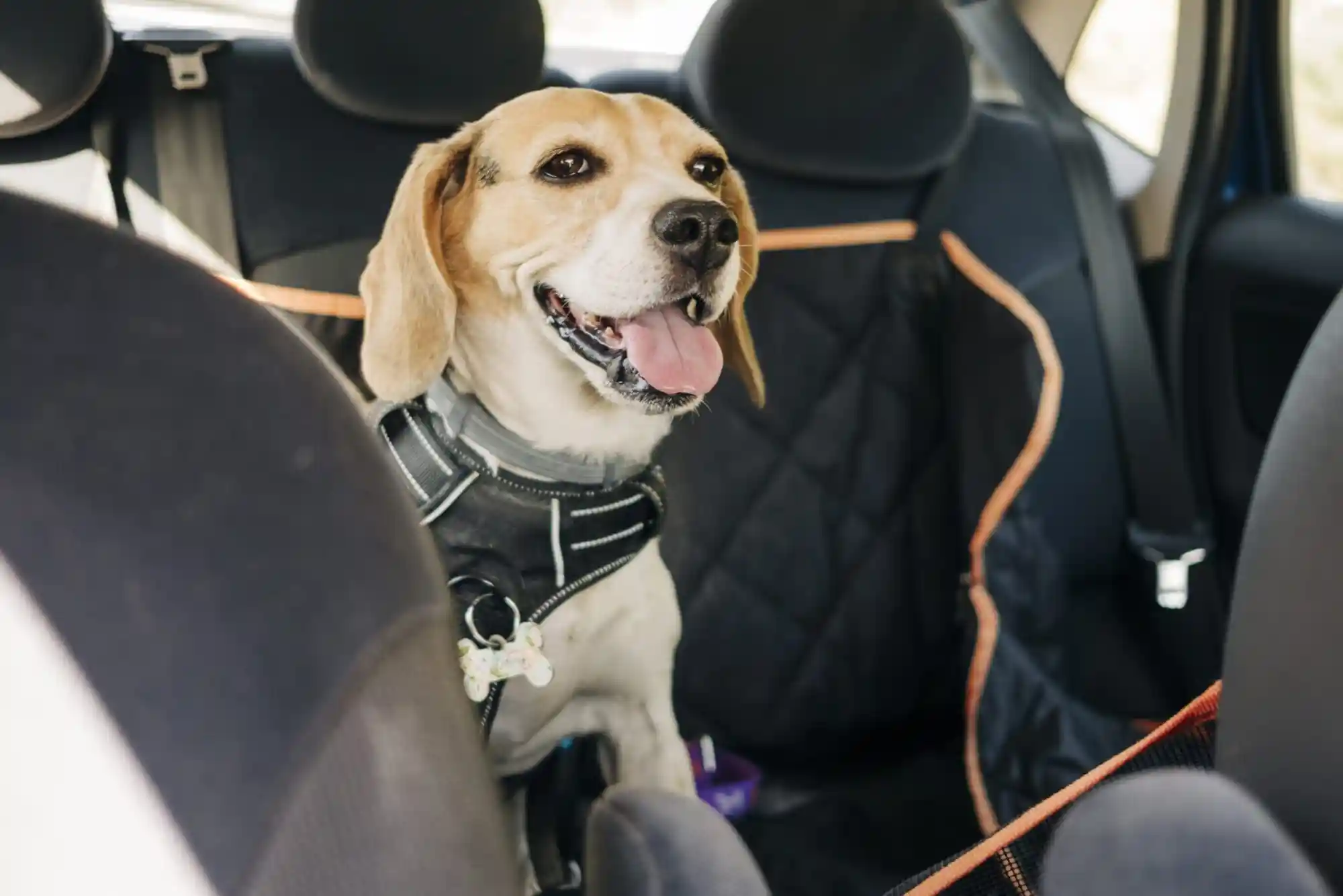
A dog car hammock typically stretches between the front and rear headrests. It creates a broad fabric surface over the rear bench and footwell.
Its main advantages are practical. It can prevent your dog from falling between seats, reduce movement around the cabin, and protect upholstery from muddy paws, fur, and scratches.
But a hammock should not automatically be treated as a crash restraint.
The current CPS certified-products information focuses on categories including safety harnesses, pet travel carriers, and travel crates.
Therefore, if a manufacturer describes a hammock as “crash tested,” investigate exactly what was tested. Was the hammock tested independently? Was it tested with a dog restraint attached? Was the restraint itself tested? Were the vehicle attachment points included?
Without clear answers, it is safer to view the hammock primarily as a containment and seat-protection accessory.
How a Car Hammock Can Complement a Dog Seat Belt
A hammock and a restraint can perform different jobs.
The hammock provides a stable, comfortable surface. The harness and seat-belt system provide the primary restraint.
Used together correctly, they can make backseat travel easier for both the dog and the driver.
The hammock can stop your dog from dropping into the footwell during normal driving. It can also create a visual boundary that discourages movement toward the front seats.
However, avoid connecting a restraint to a hammock simply because the hammock has built-in straps or attachment points. Only use connection points that the manufacturer specifically identifies for restraint use.
The important principle is simple: do not confuse containment with crash protection.
How to Choose the Right Setup for Your Dog
The best dog seat belts and crash-tested car hammocks for backseat safety will vary depending on your dog’s size, behavior, and your vehicle.
Consider Your Dog’s Size
Large dogs may require a robust crash-tested harness or a properly secured travel crate.
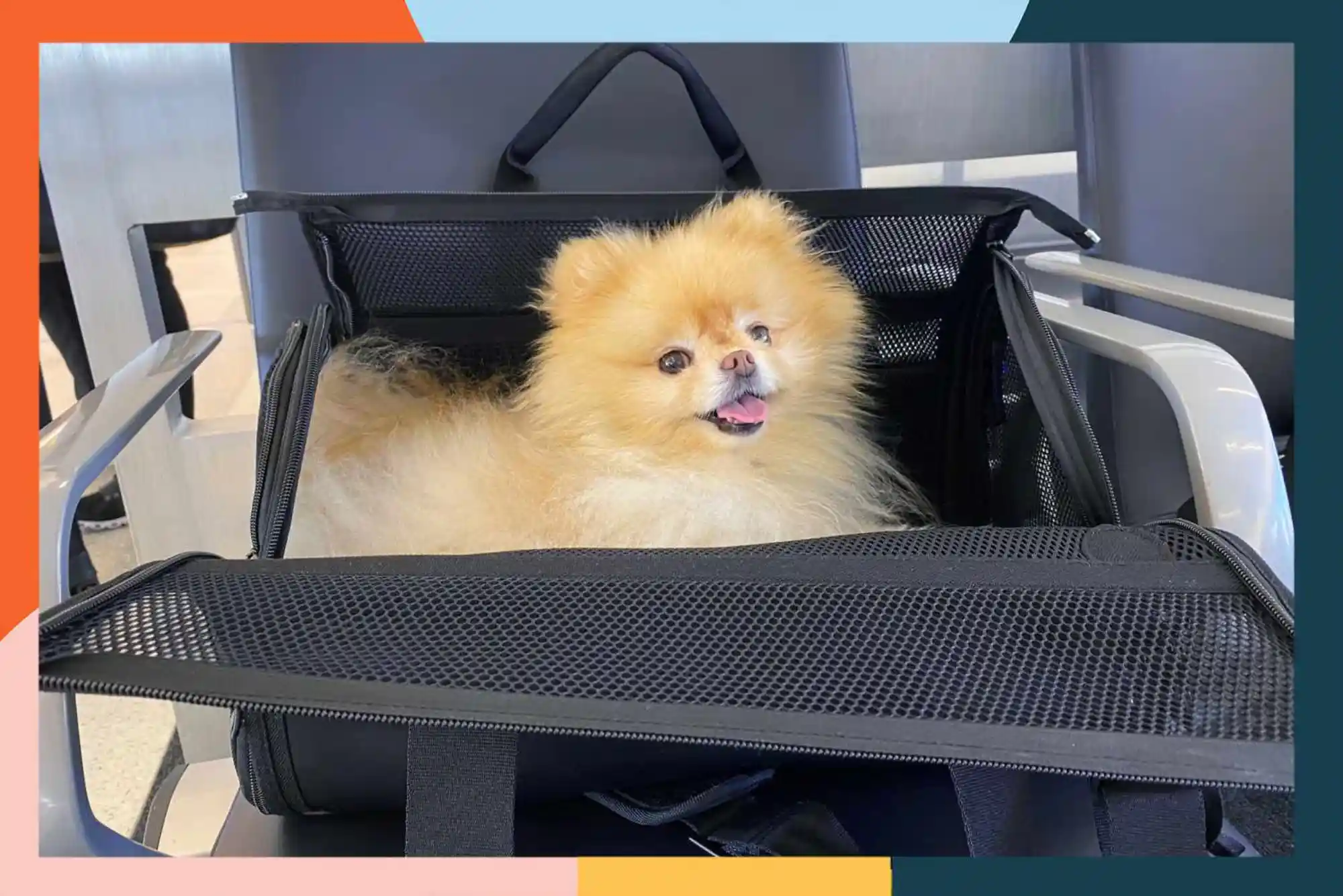
Small dogs may have additional options, including carriers or appropriately designed car seats.
Your dog’s weight should always fall within the product’s stated specifications.
Consider Your Dog’s Behavior
An energetic dog that constantly moves around may need a more restrictive travel arrangement than a calm dog that lies down throughout the journey.
Dogs that chew may also damage straps or harness components. Inspect the equipment before every trip.
If your dog is nervous about car travel, introduce the restraint gradually. Let your dog wear the harness indoors before using it on the road. Then practice sitting in the stationary vehicle before progressing to short journeys.
Consider Your Vehicle
Vehicle compatibility is another important factor.
Check whether the restraint is intended for your vehicle’s seat-belt configuration. Some products may have specific installation requirements.
The back seat is generally preferable to the front passenger seat because of airbag deployment. Cornell also recommends securing a pet carrier on the floor behind a front seat when a suitable crash-tested option is unavailable.
Common Mistakes With Dog Car Safety
Even a high-quality restraint cannot compensate for poor installation.
One common mistake is attaching a tether to a collar. Another is using a walking harness that was never designed or tested for vehicle restraint.
Some owners also give dogs too much tether length. More freedom is not necessarily safer during a collision.
Another mistake is assuming that a product is crash tested simply because the packaging uses words such as “safety,” “secure,” or “automotive grade.”
Always look for specific testing information.
Do not forget to inspect the system regularly. Frayed webbing, damaged buckles, loose stitching, or worn attachment hardware are reasons to replace the affected component.
How to Install a Dog Seat Belt Correctly
Start by reading both the vehicle and restraint manufacturer’s instructions.
Place your dog in the rear seating area and fit the harness according to its instructions. The harness should be secure without being excessively tight.
Connect the approved tether or restraint attachment exactly as directed.
Then check the range of movement. Your dog should be able to sit and lie down comfortably without having enough slack to reach the front seats or interfere with the driver.
If you use a hammock, install its headrest straps securely. Make sure the hammock does not interfere with the seat belt system or create a situation where your dog can become tangled.
Before driving, perform a final check of every buckle, strap, and attachment.
What to Look for in the Best Dog Seat Belts and Crash-Tested Car Hammocks for Backseat Safety
The strongest buying approach is to evaluate the entire setup instead of chasing a single product feature.
Look for independently tested or certified restraint equipment where available. Verify weight and size requirements. Check vehicle compatibility. Choose a harness specifically intended for car travel when the manufacturer requires one.
For hammocks, prioritize secure construction, appropriate vehicle fit, durable attachment straps, waterproof or washable materials, and a design that keeps your dog contained without interfering with the primary restraint.
Most importantly, verify what “crash tested” actually means.
The Center for Pet Safety maintains a research library containing harness, carrier, crate, and other pet travel testing information.
That makes independent test documentation a much better starting point than relying solely on customer reviews or product-page claims.
Extra Tips for Safer Dog Car Trips
Safety does not stop once the restraint is installed.
Keep your dog away from open windows. Cornell warns that dogs with their heads outside the window can suffer injuries from debris and can be at risk during sudden stops.
Take regular breaks during longer journeys. Offer water and give your dog an opportunity to stretch and relieve themselves.
Avoid leaving your dog unattended in a parked vehicle. Interior temperatures can become dangerous quickly, even when outdoor conditions do not initially feel extreme.
Finally, drive smoothly whenever possible. Gentle acceleration, braking, and cornering make the journey more comfortable and reduce unnecessary movement inside the restraint.
FAQs
What is the safest way for a dog to travel in a car?
A crash-tested harness, properly used seat-belt restraint, or appropriately secured travel crate can provide safer transportation. Cornell’s veterinary guidance specifically recommends crash-tested harnesses, seat belts, or travel crates.
Is it safe for dogs to ride in the back seat?
Yes, the back seat is generally a safer location than the front passenger seat when the dog is properly restrained. Front airbags can pose serious risks to pets during deployment.
Are dog seat belts actually safe?
They can be safer than allowing a dog to travel loose, but the quality and design of the restraint matter. Look for a complete system with appropriate testing information rather than assuming every tether offers crash protection.
Can I use a regular seat belt for my dog?
A standard human seat belt is not designed to fit a dog correctly. Use a restraint system specifically designed for dogs and follow the manufacturer’s installation instructions.
Are dog car hammocks safe in a crash?
A hammock can help contain a dog and prevent falls into the footwell, but it should not automatically be considered a crash restraint. Check exactly what the manufacturer tested and whether the hammock has independent certification.
Can my dog wear a collar with a seat belt?
A vehicle restraint should generally connect to an appropriate harness rather than relying on a collar. Follow the restraint manufacturer’s instructions for the approved connection method.
How do I keep my dog calm during car rides?
Introduce the car gradually. Begin with short stationary sessions, then take brief trips before attempting longer journeys. Familiar bedding or a favorite toy can also make the environment more comfortable.
Should dogs be allowed to stick their heads out of car windows?
It is safer to keep dogs inside the vehicle and properly restrained. Flying debris can injure the eyes or ears, while sudden braking creates additional risks.
How often should I check my dog’s car restraint?
Inspect it before every trip. Look for frayed webbing, damaged stitching, cracked buckles, worn clips, or other signs of damage. Replace components according to the manufacturer’s guidance or sooner if damage appears.
Choosing the best dog seat belts and crash-tested car hammocks for backseat safety is about more than finding a product with a convincing label. The safest approach is to understand what each component actually does.
A crash-tested harness or appropriate restraint should provide the primary protection. A well-designed hammock can improve containment, comfort, and seat protection. Together, they can create a more organized and secure backseat environment.
Independent testing is especially valuable because pet travel products are not all subject to the same safety standards. The Center for Pet Safety provides certification and published testing information that can help owners distinguish documented safety performance from general marketing claims.