Introduction
Flying with your dog can make travel more enjoyable, but it also requires careful planning. Airline policies differ widely, and even small mistakes can prevent your pet from boarding. Understanding Flying with a Dog in Cabin: Airline Weight Limits, Pet Crates, and Rules helps you prepare before arriving at the airport.
Most airlines allow small dogs to travel inside the passenger cabin. However, restrictions often apply to the dog’s weight, carrier size, age, health, and travel destination. The combined weight of your dog and carrier may also matter.
Before booking your journey, always review the airline’s latest pet policy. Rules can change depending on the route, aircraft, and country. Proper preparation protects your dog and makes the travel experience less stressful.
Understanding Flying with a Dog in Cabin: Airline Weight Limits, Pet Crates, and Rules
Cabin pet travel generally applies to small dogs that can remain safely inside an approved carrier. The carrier usually stays underneath the seat in front of you throughout the flight.
Airlines often have limited space for pets in the cabin. Therefore, you should reserve your dog’s place as early as possible. Buying your own ticket does not always guarantee space for a pet.
The most important factors include your dog’s size, the carrier dimensions, documentation requirements, and destination regulations. International flights may involve additional rules.


Learning about Flying with a Dog in Cabin: Airline Weight Limits, Pet Crates, and Rules before booking can prevent expensive changes later.
Why Airline Policies Are Different
There is no single worldwide airline policy for dogs in the cabin. Each airline creates its own requirements within applicable aviation and destination regulations.
One airline may focus on the combined weight of the dog and carrier. Another may only specify carrier dimensions. Some airlines do not allow pets in the cabin on particular routes.
Aircraft type can also affect the available under-seat space. Consequently, an approved carrier on one flight may not fit on another aircraft.
Always check the specific airline and flight before making final travel arrangements.
Airline Weight Limits for Dogs in the Cabin
Weight restrictions are among the most important considerations when travelling with a pet. Airlines generally accept only small dogs inside the cabin.
Some airlines set a combined maximum weight for the dog and carrier. Others focus primarily on whether the carrier fits beneath the seat.
Because policies differ, avoid relying on information from another airline or an old travel guide. Check the current rules directly before purchasing a carrier.
Combined Weight of the Dog and Carrier
Your dog may weigh only a few kilograms, but the carrier adds additional weight. Soft-sided carriers are often lighter than rigid carriers.
Weigh your dog and carrier together before travelling. Add any blankets or accessories that must remain inside during the flight.
Do not assume that your dog will be accepted because it looks small. Airport staff may measure or weigh the carrier during check-in.
A comfortable but lightweight carrier can make compliance easier.
Size Can Matter More Than Weight
A small but tall dog may have difficulty fitting into a carrier. Airlines require the pet to remain inside the carrier for the entire journey.
Your dog should generally have enough space to turn around and rest comfortably. However, the carrier must still fit beneath the seat.
This creates an important balance between comfort and airline requirements.
For this reason, measuring your dog accurately is essential. Measure your dog’s height, length, and width while considering its natural resting position.
Pet Crate and Carrier Requirements
The right carrier is one of the most important parts of cabin pet travel. A carrier that is too large may not fit beneath the seat.
A carrier that is too small may cause discomfort and could violate airline welfare requirements.
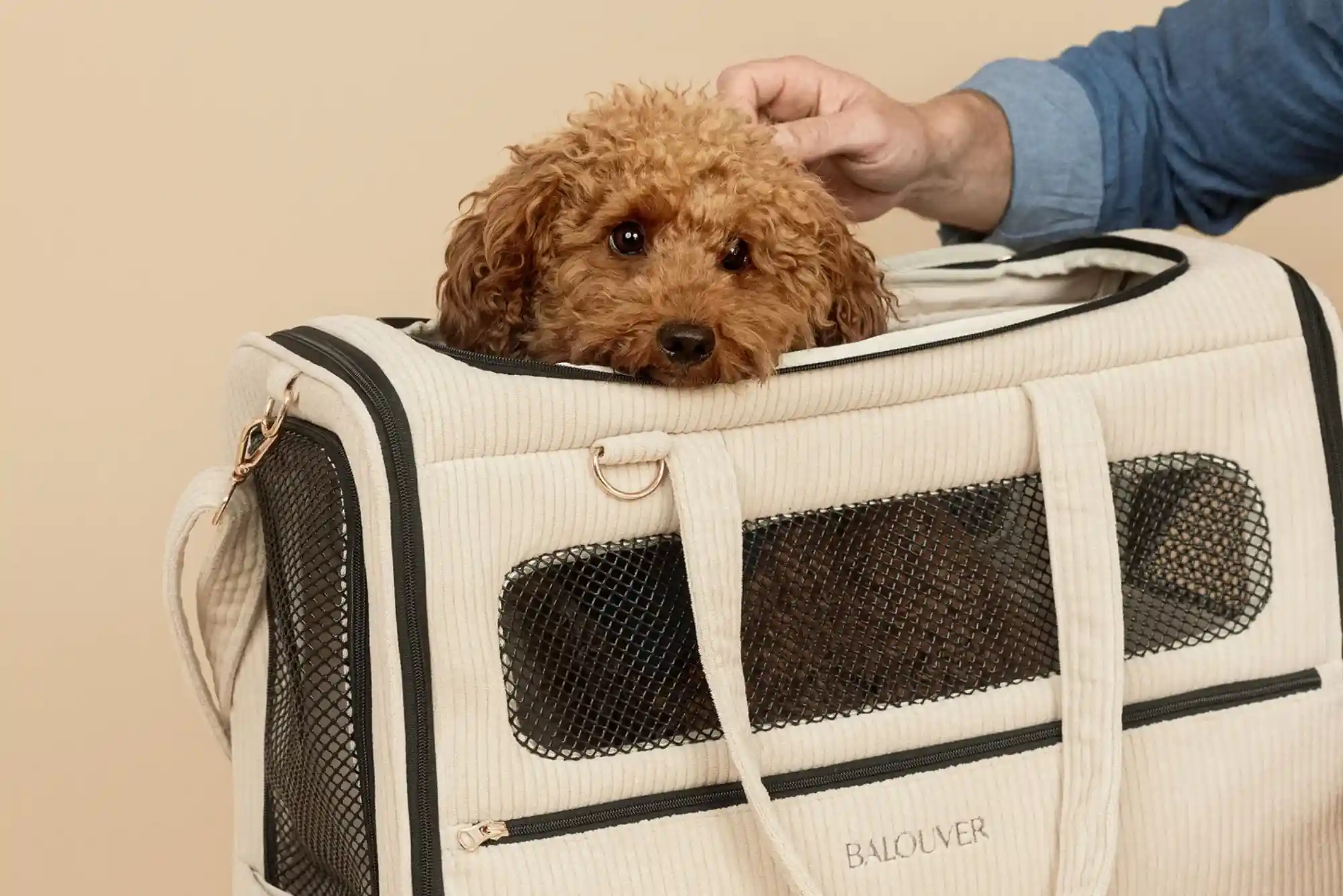
Many travellers prefer soft-sided carriers because they can adjust slightly to the available under-seat space. However, airline approval should always come first.
Choosing the Right Pet Carrier
Look for a carrier with adequate ventilation and secure closures. Your dog should not be able to escape during the journey.
The base should be stable and designed to contain minor accidents. An absorbent pad can help keep the carrier clean.
Avoid carriers with loose parts or weak zippers. Airport environments can be busy and unpredictable.
It is also wise to let your dog become familiar with the carrier before the trip. A dog that already feels comfortable inside will usually experience less stress.
Carrier Dimensions and Under-Seat Space
Airlines publish maximum carrier dimensions, but under-seat space can vary. Check both the airline’s pet policy and aircraft information when available.
Measure the carrier after packing it with essential items. Overstuffing can change its shape and size.
Keep accessories minimal. Large toys and bulky blankets may reduce your dog’s available space.
The carrier should remain manageable throughout security checks, boarding, and the flight.
Important Rules Before Flying With Your Dog
Preparing your documents is just as important as choosing the right carrier. Depending on your destination, you may need vaccination records, health certificates, or import permits.
International travel often involves stricter requirements than domestic travel.
Some countries also have breed restrictions or additional health requirements. Therefore, research the destination rules well before departure.
For broader travel guidance, visit Flying With Pets for helpful information about preparing animals for air travel.
Health and Vaccination Requirements
Many destinations require proof of current vaccinations. Rabies documentation is particularly important for international travel.
A veterinarian may need to complete a health certificate within a specific period before departure.
Do not wait until the final week to investigate these requirements. Some destinations require months of preparation.
Microchip requirements may also apply. The type of microchip and the order of vaccination can matter in certain countries.
Always confirm the requirements with official authorities and your airline.
Age Restrictions for Puppies
Airlines often set a minimum age for pets travelling by air. Very young puppies may not be eligible.
Age restrictions can differ according to the airline and destination. Puppies may also need completed vaccinations before travelling internationally.
If you are travelling with a young dog, check the rules before booking.
What Happens at Airport Security?
Airport security procedures can surprise first-time pet travellers. In many cases, the carrier must go through the screening process.
You may need to remove your dog from the carrier and carry it through the screening area.
However, procedures vary by airport and country. Ask security staff for guidance if you are concerned about your dog escaping.
A secure harness and leash can provide additional control.
Arrive early so you have enough time for pet check-in and security procedures. Rushing can increase stress for both you and your dog.
Keeping Your Dog Calm at the Airport
Airports can be loud and crowded. Begin carrier training several weeks before your trip.
Take your dog on short trips inside the carrier. Gradually increase the amount of time spent inside.
Use familiar bedding if permitted. Familiar scents can help your dog feel more secure.
Avoid introducing major changes on the day of travel. A new carrier, new food, and unfamiliar routine can create unnecessary stress.
Food, Water, and Comfort During the Flight
Feeding your dog appropriately before travel requires some planning. A very large meal immediately before flying may cause discomfort.
Follow your veterinarian’s advice regarding your dog’s feeding schedule and hydration needs.
Provide access to water when appropriate, while avoiding spills inside the carrier.
Long journeys require additional planning, especially when connections are involved.
Do not assume airport shops will stock your dog’s preferred food or supplies.
Should You Sedate Your Dog for a Flight?
Sedation should never be treated as a routine solution for travel anxiety. Certain medications can affect a dog’s balance and breathing.
Always discuss travel anxiety with a qualified veterinarian before the journey.
Behavioural preparation is often more helpful than relying on medication. Carrier training and familiar routines can reduce stress naturally.
Never give your dog medication specifically for flying without professional guidance.
International Travel Rules You Should Know
International pet travel can involve airline rules, immigration requirements, customs procedures, and animal health regulations.
These requirements may change depending on where you are travelling from and where you are going.
Transit countries can also have their own rules.
For example, a short connection may still involve specific documentation requirements.
This is why Flying with a Dog in Cabin: Airline Weight Limits, Pet Crates, and Rules should be researched alongside destination entry requirements.
Check Official Regulations
Use official government and aviation sources whenever possible. General travel blogs can provide useful advice, but official regulations should guide your final preparations.
For aviation-related information, you can review FAA Pet Travel Regulations and other relevant official travel authorities.
Remember that airline rules and government entry requirements are not always the same.
You must satisfy both sets of requirements.
Booking a Cabin Seat for Your Dog
Contact the airline as soon as you book your ticket. Many airlines limit the number of pets allowed in each cabin.
Requesting pet travel at the airport may be too late.
Ask the airline about applicable pet fees, carrier dimensions, weight limits, and route restrictions.
It is also useful to ask whether your specific aircraft has unusual under-seat limitations.
Keep confirmation details with your travel documents.
Choosing the Best Seat
Seat selection can affect your travel experience. Some seats may have restrictions because of their location.
Emergency exit rows usually have additional safety restrictions. Bulkhead seats may also lack the under-seat storage needed for a pet carrier.
Ask the airline which seats are suitable for passengers travelling with pets.
A suitable seat makes it easier to keep your dog safely positioned throughout the flight.
Common Mistakes When Flying With a Dog in Cabin
One common mistake is purchasing a carrier without checking airline dimensions. Another is assuming every flight operated by the same airline follows identical rules.
Travellers also sometimes forget that connecting flights can involve another airline with different policies.
Leaving pet reservations until the last minute is another avoidable problem.
Documentation errors can create even greater difficulties during international travel.
Careful preparation is always easier than solving problems at the airport.
For more travel inspiration and practical guidance, explore Travelsvillage before planning your next journey.
Frequently Asked Questions
What is the maximum weight for a dog to fly in the cabin?
The maximum weight varies by airline. Some airlines consider the combined weight of the dog and carrier. Others focus mainly on carrier dimensions. Always confirm the current policy directly with your airline.
Can I take my dog out of the carrier during the flight?
Most airlines require dogs to remain inside their carrier during the flight. The carrier usually must stay beneath the seat in front of you.
What type of carrier is allowed for a dog in the cabin?
Airlines commonly require a secure, ventilated carrier that fits beneath the seat. Soft-sided carriers are often popular, but you must follow your airline’s exact dimensions.
Do I need a health certificate to fly with my dog?
It depends on the airline and destination. International travel often requires health documentation and vaccination records. Check the requirements before travelling.
How early should I arrive at the airport with a dog?
Arriving earlier than usual is recommended. Pet check-in and security procedures may take extra time. Follow your airline’s suggested arrival time.
Conclusion
Flying with a dog in the cabin can be a positive experience when you prepare carefully. Understanding Flying with a Dog in Cabin: Airline Weight Limits, Pet Crates, and Rules helps you avoid unnecessary stress.
Check your airline’s current policy before booking. Measure your dog, select the correct carrier, and arrange the required documents early.
Related Reading: Best Portable Dog Water Bottles and Collapsible Bowls for Hiking