Planning a trip to the United States requires careful budgeting, and one of the most important components is understanding the US visa fee price in 2026. Whether you’re applying for a tourist visa, student visa, or work visa, knowing the updated costs and historical fee trends can help you plan better and avoid unexpected expenses.
This comprehensive guide provides a detailed breakdown of US visa charges, explains the different visa categories, and includes a complete price table from 2012 to 2026 so you can clearly see how fees have evolved over time.
Understanding US Visa Fees in 2026
The United States visa system includes various categories, each with its own fee structure. The most common visa types include:
- B1/B2 Tourist & Business Visa
- F1 Student Visa
- H1B Work Visa
- K Visa (Fiancé Visa)
As of 2026, the standard Machine Readable Visa (MRV) fee for most non-immigrant visas such as B1/B2 is $185. This fee is non-refundable and must be paid before scheduling your visa interview.
Latest US Visa Fee Structure (2026)
1. Tourist & Business Visa (B1/B2)
The most commonly applied visa category remains the B1/B2 visa. In 2026, applicants are required to pay:
- Application Fee: $185
- Optional Service Charges (varies by country)
2. Student Visa (F1, M1)
- Visa Fee: $185
- SEVIS Fee: $350 (separate payment)
3. Work Visa (H, L, O Categories)
- Application Fee: $205
4. Fiancé Visa (K Visa)
- Application Fee: $265
While these are standard fees, applicants should always account for additional costs such as document preparation, travel to the embassy, and consultancy services if used.


US Visa Fee Price Table (2012–2026)
The following table highlights how US visa fees—particularly for the B1/B2 category—have changed over time. This historical overview helps applicants understand long-term trends and fee adjustments.
| Year | Visa Type | Fee (USD) | Notes |
|---|---|---|---|
| 2012 | B1/B2 | $160 | Standard fee introduced |
| 2013 | B1/B2 | $160 | No change |
| 2014 | B1/B2 | $160 | Stable pricing |
| 2015 | B1/B2 | $160 | No increase |
| 2016 | B1/B2 | $160 | Consistent fee |
| 2017 | B1/B2 | $160 | No revision |
| 2018 | B1/B2 | $160 | Stable fee structure |
| 2019 | B1/B2 | $160 | No changes |
| 2020 | B1/B2 | $160 | COVID-19 impact year |
| 2021 | B1/B2 | $160 | No increase |
| 2022 | B1/B2 | $160 | Stable |
| 2023 | B1/B2 | $185 | Fee increased |
| 2024 | B1/B2 | $185 | No change |
| 2025 | B1/B2 | $185 | Stable |
| 2026 | B1/B2 | $185 | Current fee |
Why Did US Visa Fees Increase?
The jump from $160 to $185 in 2023 marked the first major increase in over a decade. This adjustment reflects administrative costs, inflation, and enhanced processing systems. While the increase may seem modest, it signals a shift toward more dynamic fee structures in the future.
Additional Costs to Consider
Many applicants focus only on the visa application fee, but the actual cost of obtaining a US visa can be higher. Here are some additional expenses:
- SEVIS Fee (for students)
- Visa Interview Travel Costs
- Document Preparation & Translation
- Consultancy or Agency Charges
For example, applicants comparing visa costs globally may find useful insights in guides like
visitor visa Australia price breakdown, which highlight how different countries structure their visa fees.
US Visa Fees Compared to Other Countries
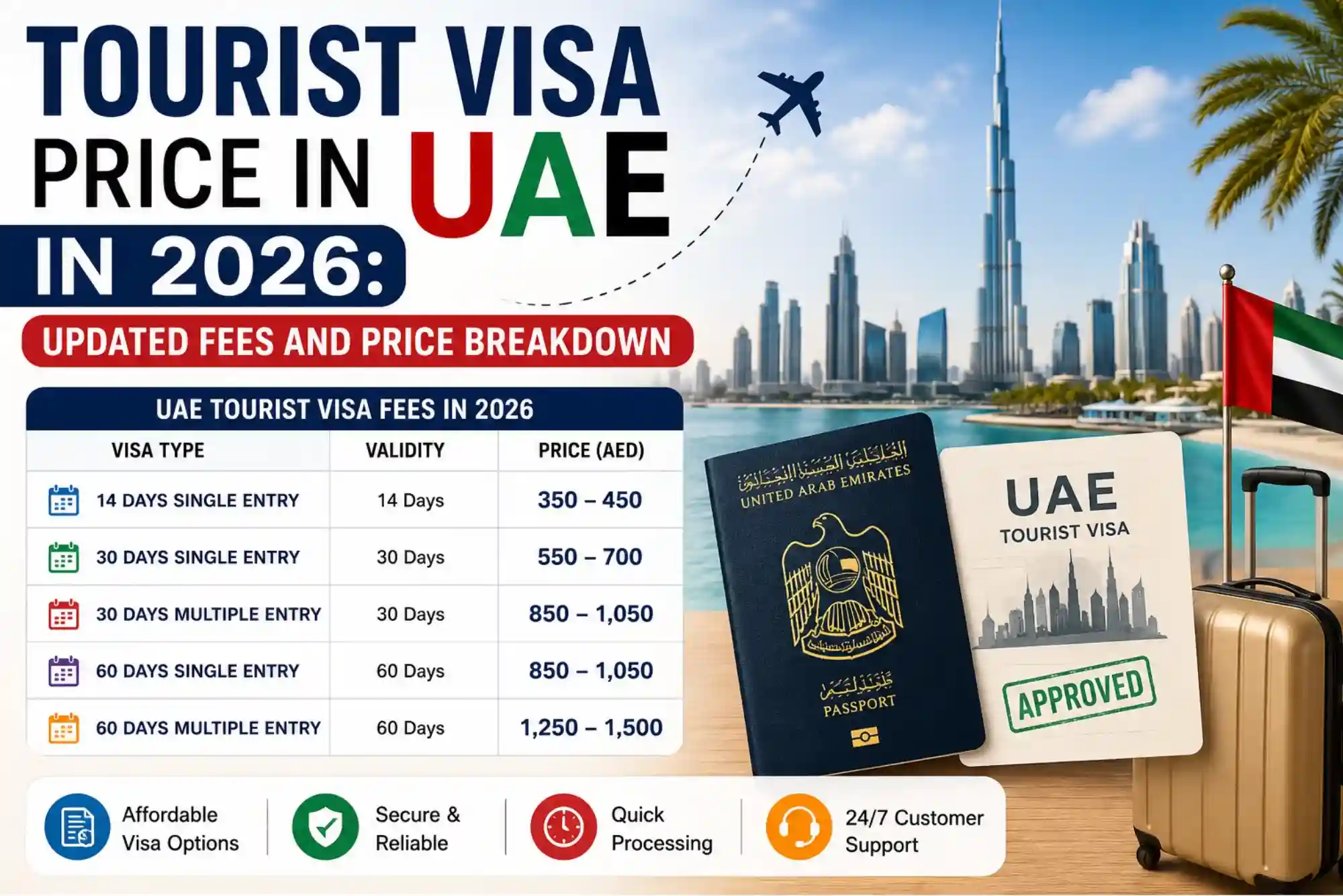
When compared to other major destinations, US visa fees are relatively moderate. Countries such as the UK and UAE often have varying pricing depending on duration and priority services.
If you’re evaluating options, it can be helpful to review resources like
UK visa application prices
or explore regional comparisons like
UAE visit visa costs.
How to Pay US Visa Fees
The payment process depends on your country of application, but generally includes:
- Online payment via official visa portal
- Bank deposit in designated accounts
- Mobile or digital payment systems (in select countries)
Always ensure that payments are made through authorized channels to avoid fraud or delays in processing.
Important Tips Before Applying
- Double-check the latest fee updates before applying
- Keep payment receipts secure
- Understand refund policies (most fees are non-refundable)
- Prepare documents in advance to avoid reapplication costs
Future Trends in US Visa Fees
While fees have remained stable since 2023, future increases are possible. Factors such as inflation, administrative costs, and global travel demand may influence future pricing.
Travelers who monitor fee trends and apply early can often avoid sudden cost increases and delays.
Conclusion
The US visa fee price in 2026 remains at $185 for most non-immigrant visas, making it relatively stable compared to previous years. However, the overall cost of obtaining a visa goes beyond the application fee, requiring careful planning and budgeting.
By understanding both current charges and historical trends from 2012 to 2026, applicants can make informed decisions and approach the visa process with confidence.
Related Reading: US Visa Price from India in 2026: Visa Charges and Fee Guide
Related Reading: Best Portable Dog Water Bottles and Collapsible Bowls for Hiking — full guide
Related Reading: Outlet Day Trip from Zurich Compared — full guide
Related Reading: Flying with a Dog in Cabin: Airline Weight Limits, Pet Crates, and Rules — full guide